Ecology
Wildlife and Ecology at Risk
A full register of the species present or reasonably expected in this landscape, why each one is here, and what it is sensitive to. Legal protection applies to them regardless of any dispute about cause, and regardless of who owns the land.
Why ecology is the leading indicator
Wildlife changes before people notice anything else
Ecology is not a decorative part of this investigation. It is the earliest and cheapest measurable signal available, because living things integrate conditions over time in a way that a single water sample cannot.
They record time, not moments
A water sample describes one instant. A dragonfly larva, a caddis community or a lichen assemblage records what the water and air have been like for years.
They concentrate what is dilute
Metals and persistent compounds accumulate up the food chain. Predators and long-lived species can carry a detectable signal where the water column shows very little.
They are legally protected
Bats, dormice, otters, badgers, newts and nesting birds carry statutory protection. Their presence changes what may lawfully be done to the land and the workings under it.
Species register
What lives here, why it is here, and what it depends on
Grouped by receptor type. Each entry states the legal position first, then the ecological reason it matters to this investigation.
Mammals
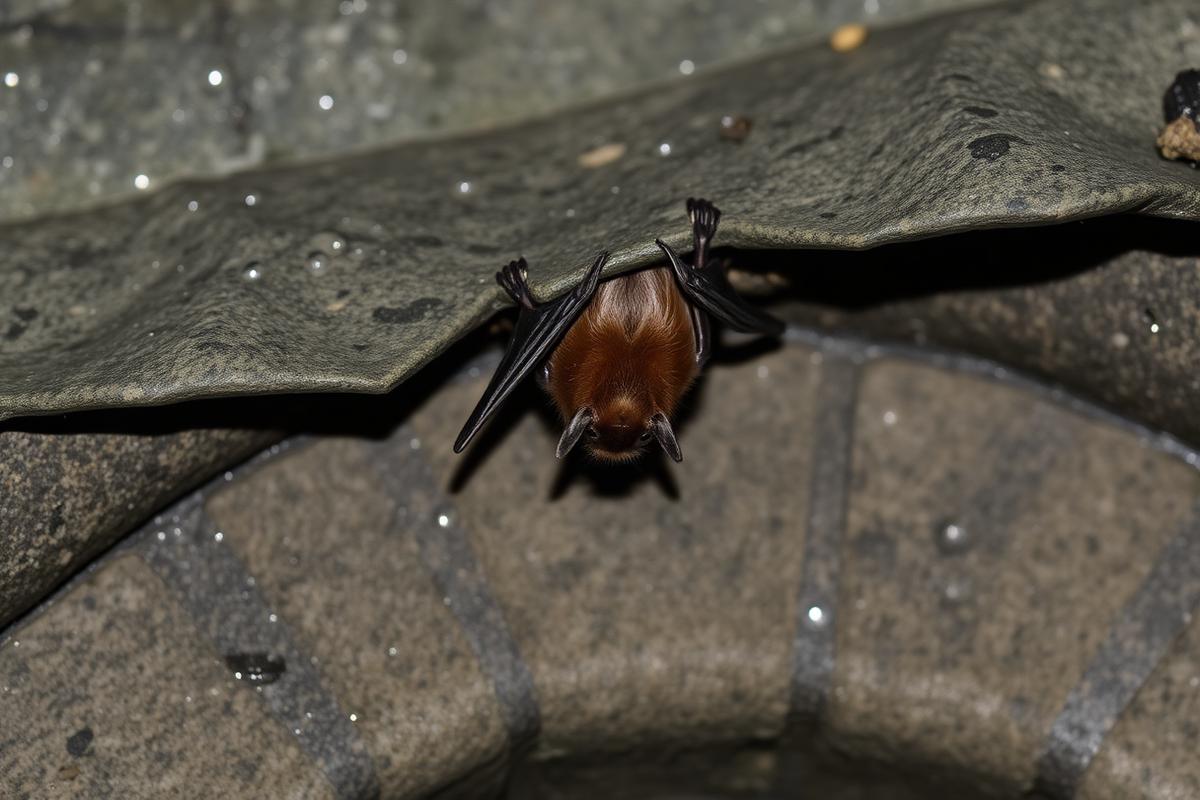
Bats (greater and lesser horseshoe, myotis, pipistrelle, barbastelle)
Confirmed fact- Legal protection
- European protected species (Conservation of Habitats and Species Regulations 2017) and Wildlife and Countryside Act 1981
- Why it is here
- Cornwall's disused mine workings are of national importance for bats. Stable temperature, high humidity and freedom from disturbance make adits and shafts among the best hibernation and swarming sites in the country, and the surrounding woodland and hedge network supplies the flight lines and insect prey that support them.
- Habitat used here
- Adits, shafts and stopes for hibernation and swarming; cavities and loose bark in mature trees for summer roosts; woodland edge, hedgerow and watercourse corridors for foraging.
- Known sensitivities
- Underground airflow, humidity, water level, vibration and light. Loss of mature trees removes roosts; loss of hedge line breaks the commuting route even when the roost survives.
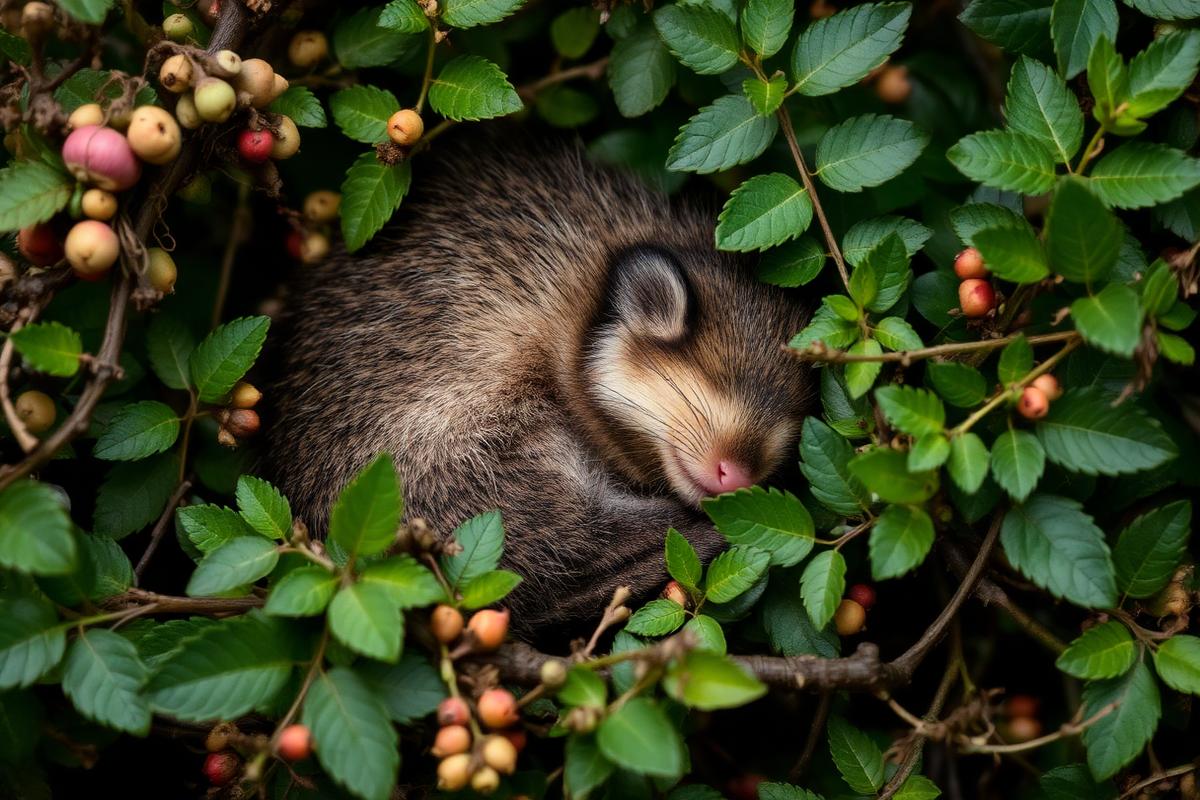
Hazel dormouse
Confirmed fact- Legal protection
- European protected species; Wildlife and Countryside Act 1981
- Why it is here
- The Carwynnen and Troon hedge and coppice network is exactly the habitat type dormice depend on, and Cornwall remains one of their strongholds.
- Habitat used here
- Species-rich hedgerows, coppice and woodland understorey with continuous connectivity.
- Known sensitivities
- Fragmentation above all. A single removed hedge link can isolate a population even where the woodland itself is untouched.
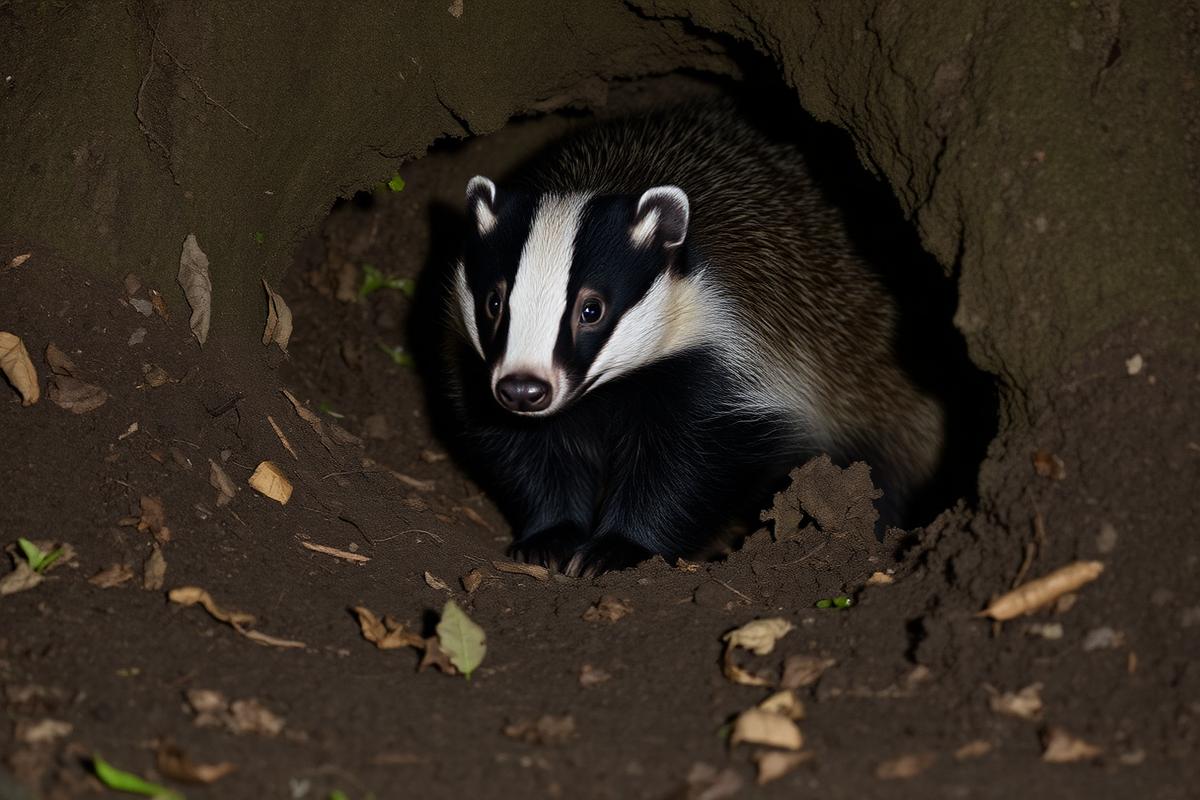
Badgers
Confirmed fact- Legal protection
- Protection of Badgers Act 1992 (the sett is protected in its own right)
- Why it is here
- Banks, woodland edges and pasture in this area provide both sett sites and year-round foraging.
- Habitat used here
- Setts in earth banks and woodland; foraging across pasture and field margins.
- Known sensitivities
- Ground movement, changes in drainage and disturbance. A sett dug into ground that is moving or wetting up can be abandoned or can collapse.
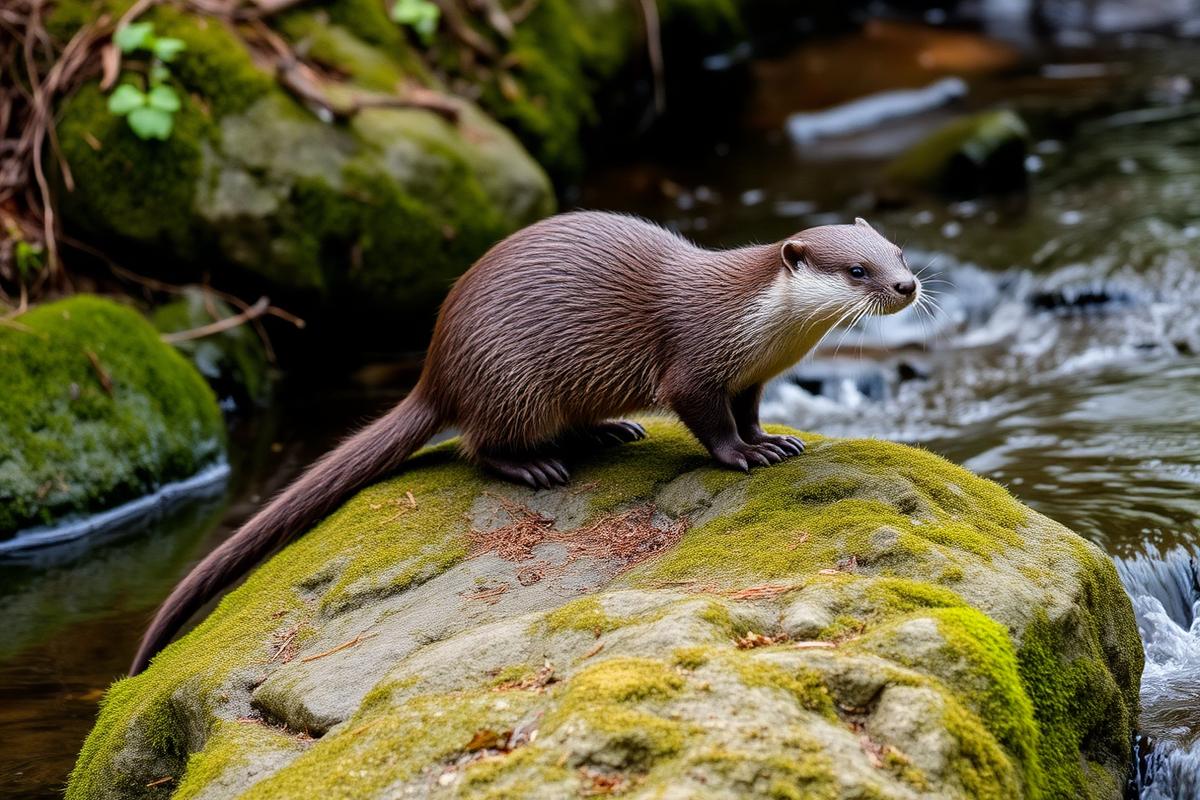
Otters
Confirmed fact- Legal protection
- European protected species; Wildlife and Countryside Act 1981
- Why it is here
- Otters use the whole catchment, not a single pool. They range widely along watercourses and depend on what those watercourses can support.
- Habitat used here
- Bankside cover, holts in root systems, undisturbed lying-up sites.
- Known sensitivities
- Water quality, and the fish and amphibian populations water quality supports. Otters are a top predator, so metals and persistent compounds concentrate in them.
Birds
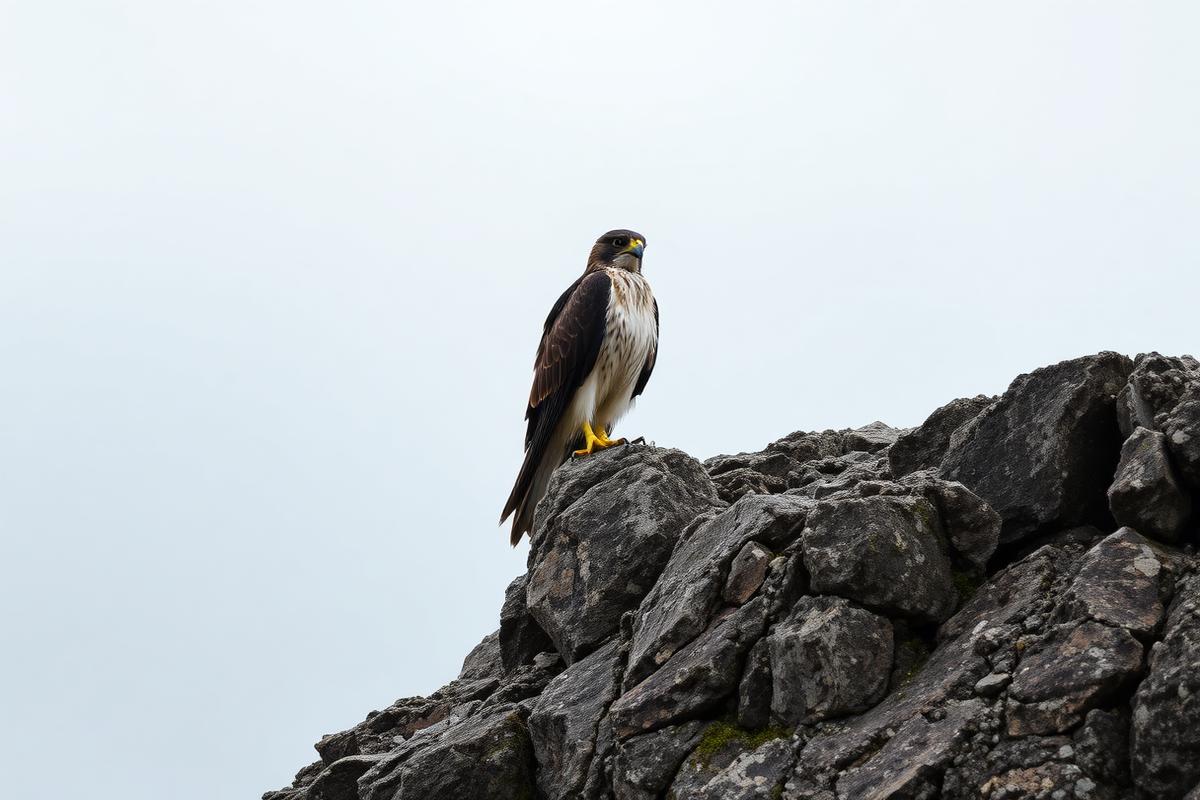
Peregrine falcon
Confirmed fact- Legal protection
- Wildlife and Countryside Act 1981, Schedule 1 (special penalties for disturbance at the nest)
- Why it is here
- Peregrines hunt over open ground and use elevated structures and rock faces in the mining landscape. Schedule 1 status means disturbance near a nest site is an offence in itself, whether or not harm follows.
- Habitat used here
- Elevated nest and vantage points; open airspace over farmland and woodland for hunting.
- Known sensitivities
- Disturbance during the breeding season, and prey availability. As a top predator it also accumulates contaminants carried up the food chain.
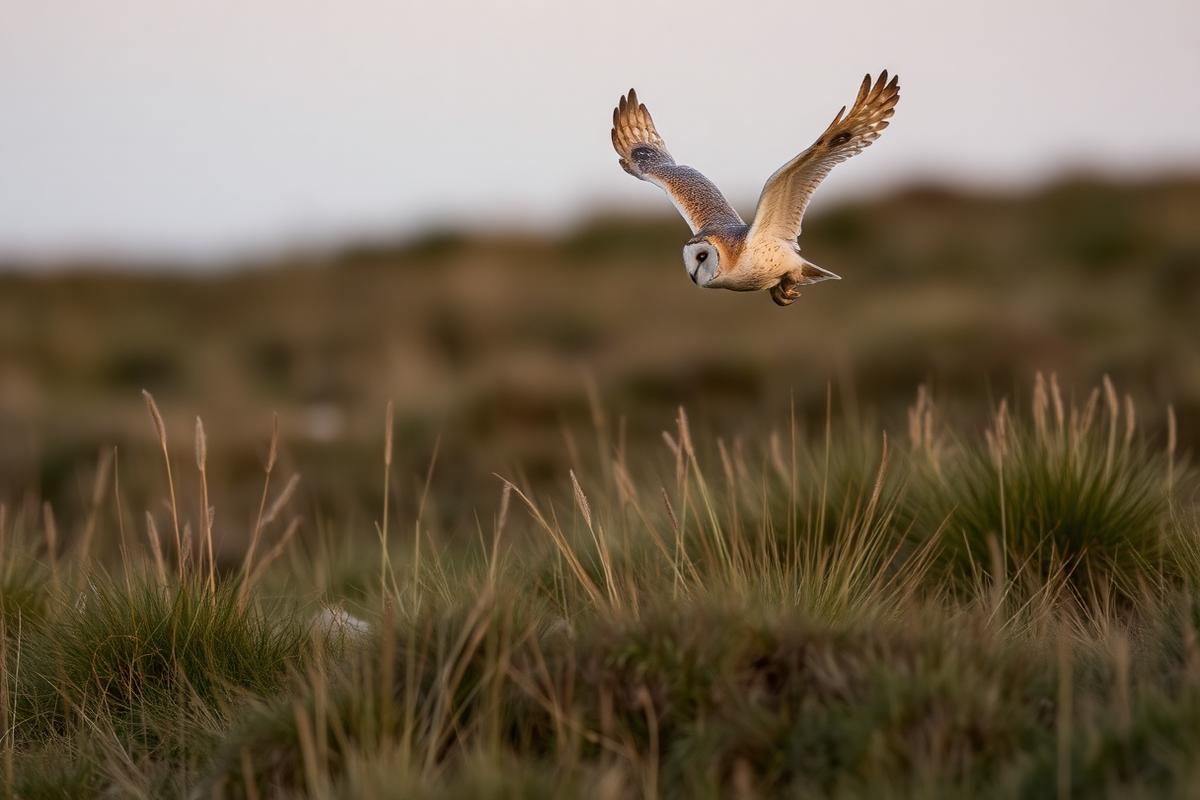
Barn owl and other raptors
Confirmed fact- Legal protection
- Wildlife and Countryside Act 1981; barn owl is Schedule 1 at the nest
- Why it is here
- Rough grass margins and field edges around Troon and Carwynnen hold the small mammals that owls and other raptors hunt.
- Habitat used here
- Rough grassland, field margins, mature trees and farm buildings for nesting and roosting.
- Known sensitivities
- Small-mammal abundance, which is itself a sensitive measure of ground and vegetation condition. Raptors are standard biomonitors for exactly this reason.
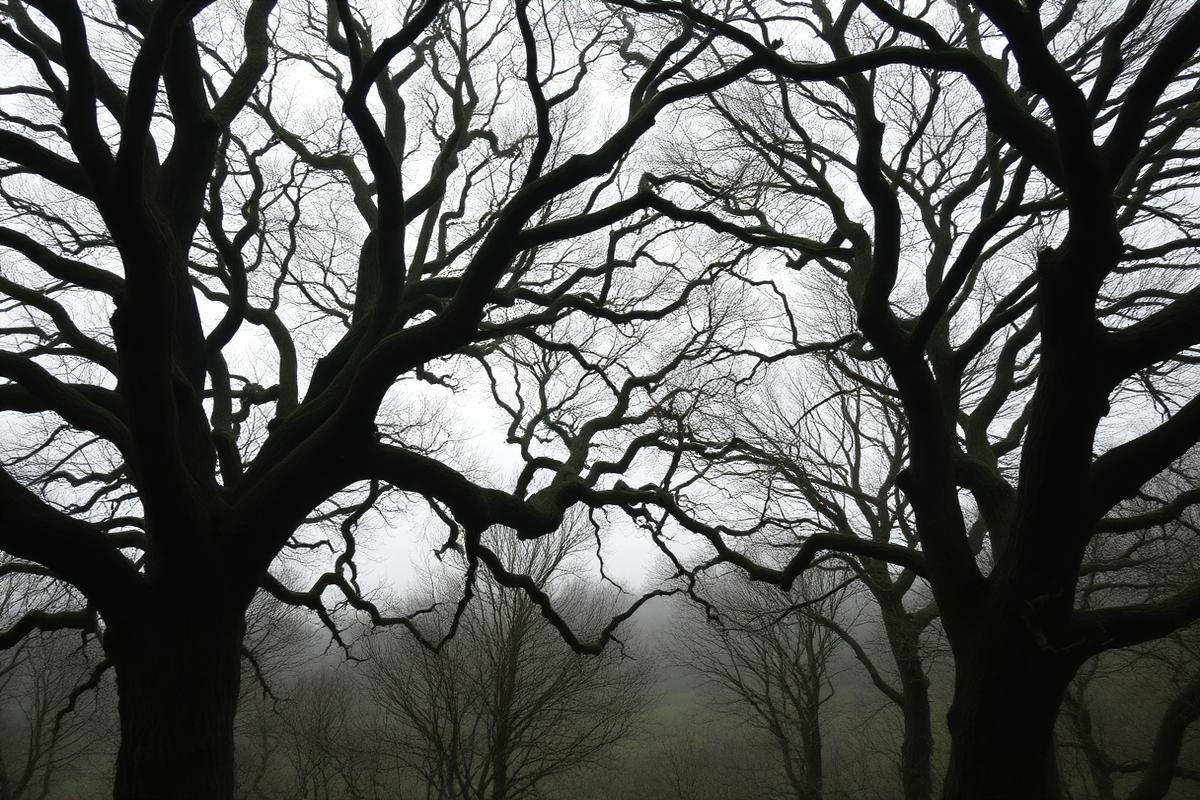
Woodland and canopy birds of the high-point oaks
Confirmed fact- Legal protection
- Wildlife and Countryside Act 1981 — all active nests protected; several woodland species are Red-listed birds of conservation concern
- Why it is here
- The mature oaks on the high ground above the test mine area are the most structurally valuable habitat in the local woodland: canopy invertebrates, cavities and deadwood take a century or more to develop.
- Habitat used here
- Mature and veteran oak canopy, deadwood, understorey and scrub.
- Known sensitivities
- Canopy insect abundance, tree health and tree loss. Because birds respond quickly to changes in food supply and structure, they are one of the earliest observable indicators available.
Water & invertebrates
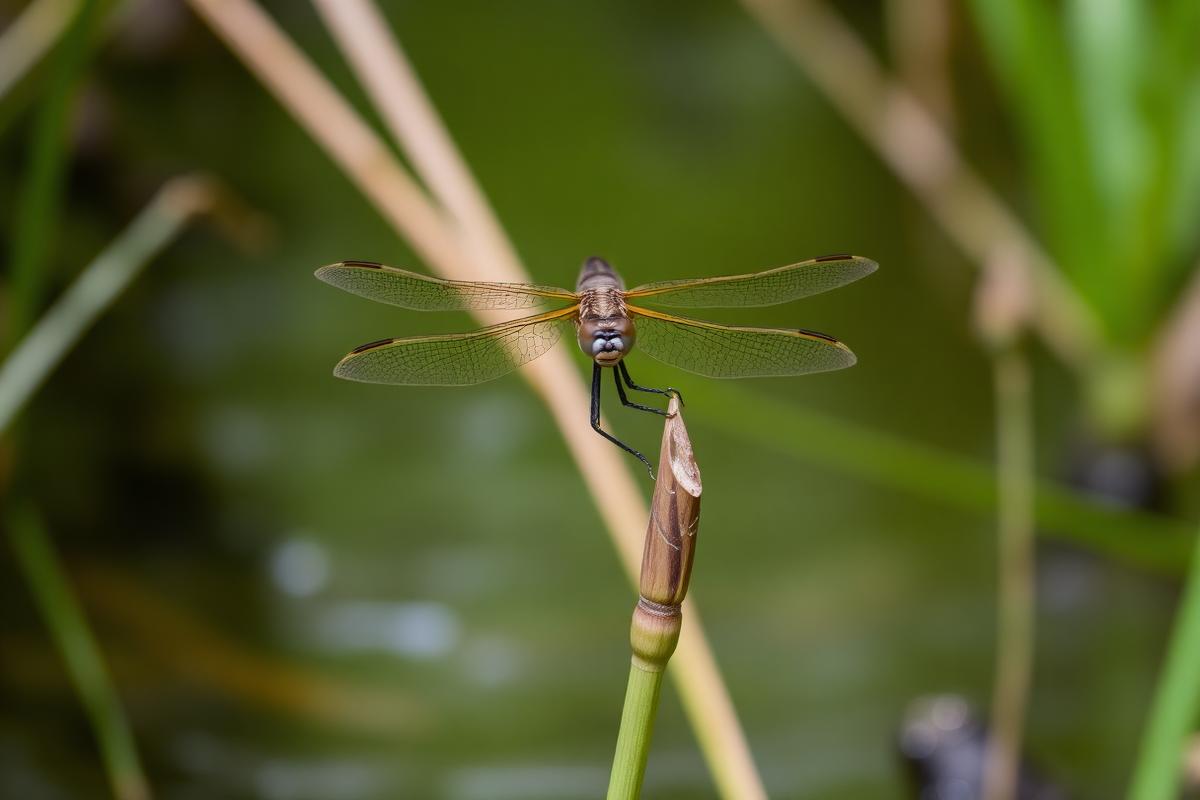
Dragonflies and damselflies
Confirmed fact- Legal protection
- Not individually protected in most cases, but a recognised indicator group and a material consideration in habitat assessment
- Why it is here
- Dragonfly larvae spend one to several years in the water before emerging. A local dragonfly population therefore records water conditions over multiple years, not a single day.
- Habitat used here
- Streams, seepages, ponds and marginal vegetation, with adjacent open ground for hunting.
- Known sensitivities
- Larval stages are exposed to metals, sediment, low oxygen and flow change. Emergence counts are a cheap and repeatable measure of stream condition.
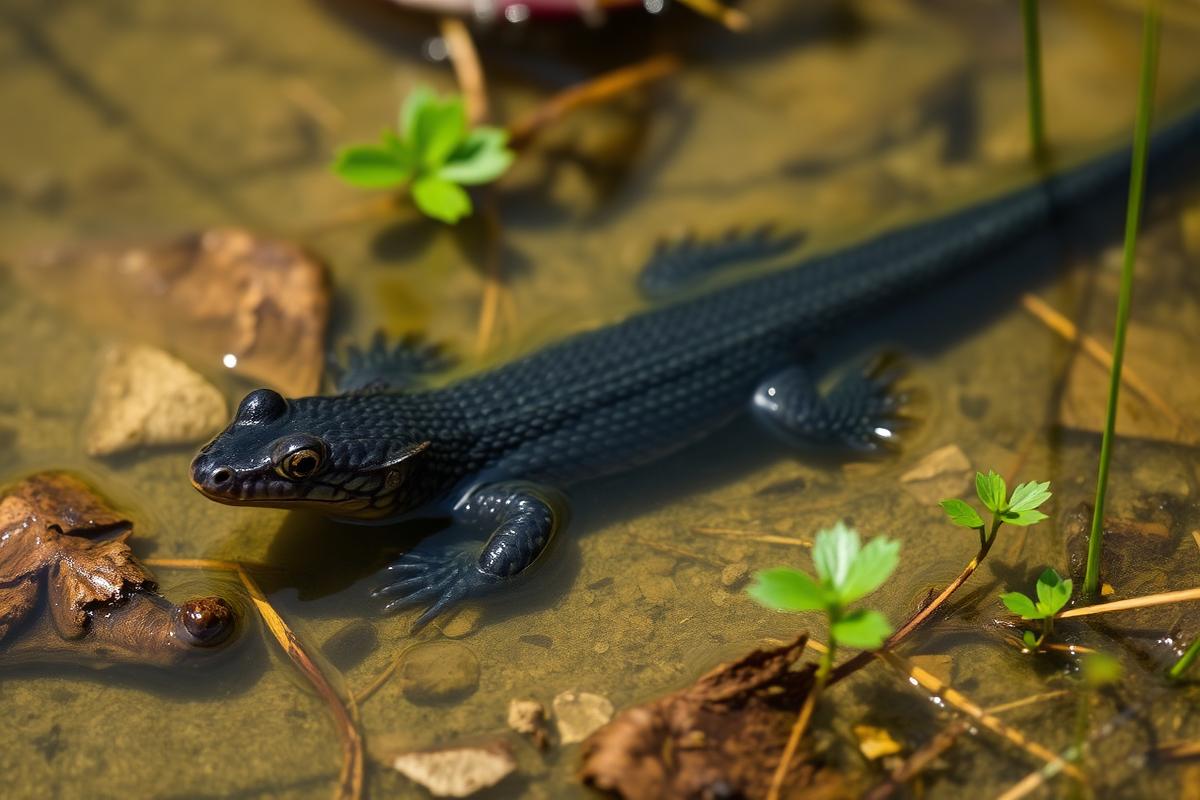
Amphibians, including great crested newt
Confirmed fact- Legal protection
- Great crested newt is a European protected species; other species have partial protection
- Why it is here
- Ponds, field troughs and slow water in the catchment provide breeding habitat, with damp terrestrial refugia nearby.
- Habitat used here
- Breeding ponds and slow water; damp terrestrial habitat, log and stone refugia within a few hundred metres.
- Known sensitivities
- Highly sensitive to water chemistry — metals, pH and ammonia — during the aquatic life stages, because the eggs and larvae are permeable to the water around them.
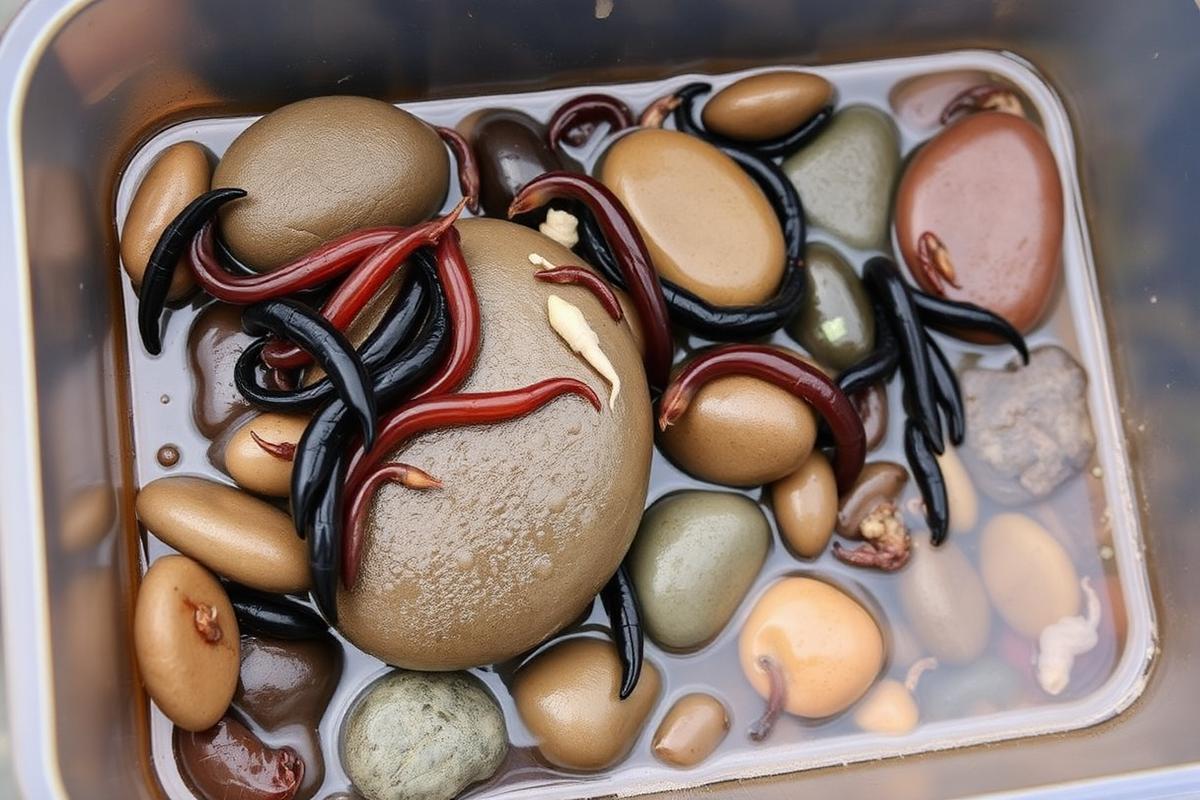
Stream invertebrates and leeches
Confirmed fact- Legal protection
- Not individually protected, but the basis of freshwater ecological status under the Water Framework Directive as retained in UK law
- Why it is here
- Leeches, cased caddis, mayfly and stonefly nymphs, freshwater shrimp and worms live permanently in the stream bed. Their community composition is the single most informative low-cost measure of stream condition available.
- Habitat used here
- Stream gravels, cobbles, silt pockets and marginal vegetation.
- Known sensitivities
- A shift toward leeches, worms and other tolerant groups, with mayfly and stonefly absent, is the classic signature of pollution or low oxygen — but it must be measured by a standard kick-sample method before it means anything.
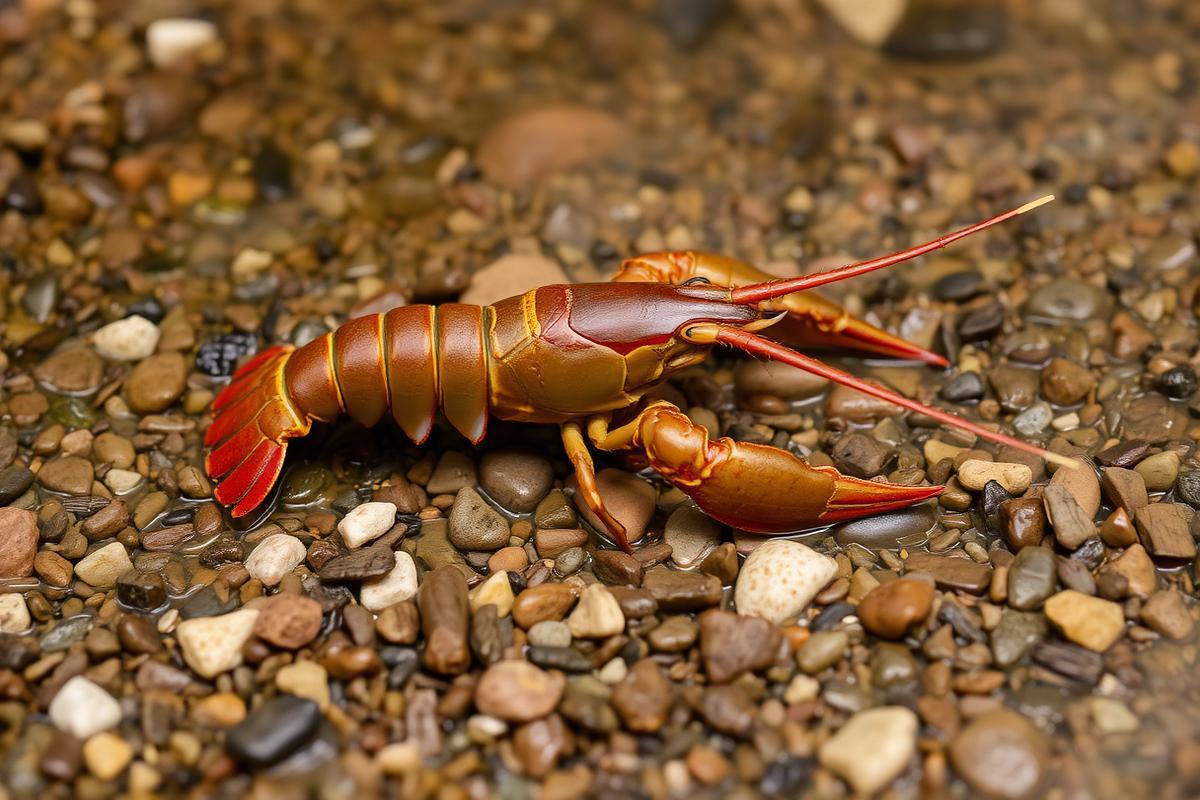
American signal crayfish (invasive)
Confirmed fact- Legal protection
- Invasive non-native species — Wildlife and Countryside Act 1981 Schedule 9; it is an offence to release or allow it to escape, and a licence is required to trap it
- Why it is here
- Signal crayfish are widespread in Cornish watercourses. Where they are present they burrow into banks, increase sediment load and displace native species.
- Habitat used here
- Stream banks and beds, undercut margins.
- Known sensitivities
- Relevant in two directions: bank burrowing is an alternative explanation for some bank instability that must be ruled in or out, and crayfish are also long-lived tissue accumulators that can be analysed for metals.
Farmed animals
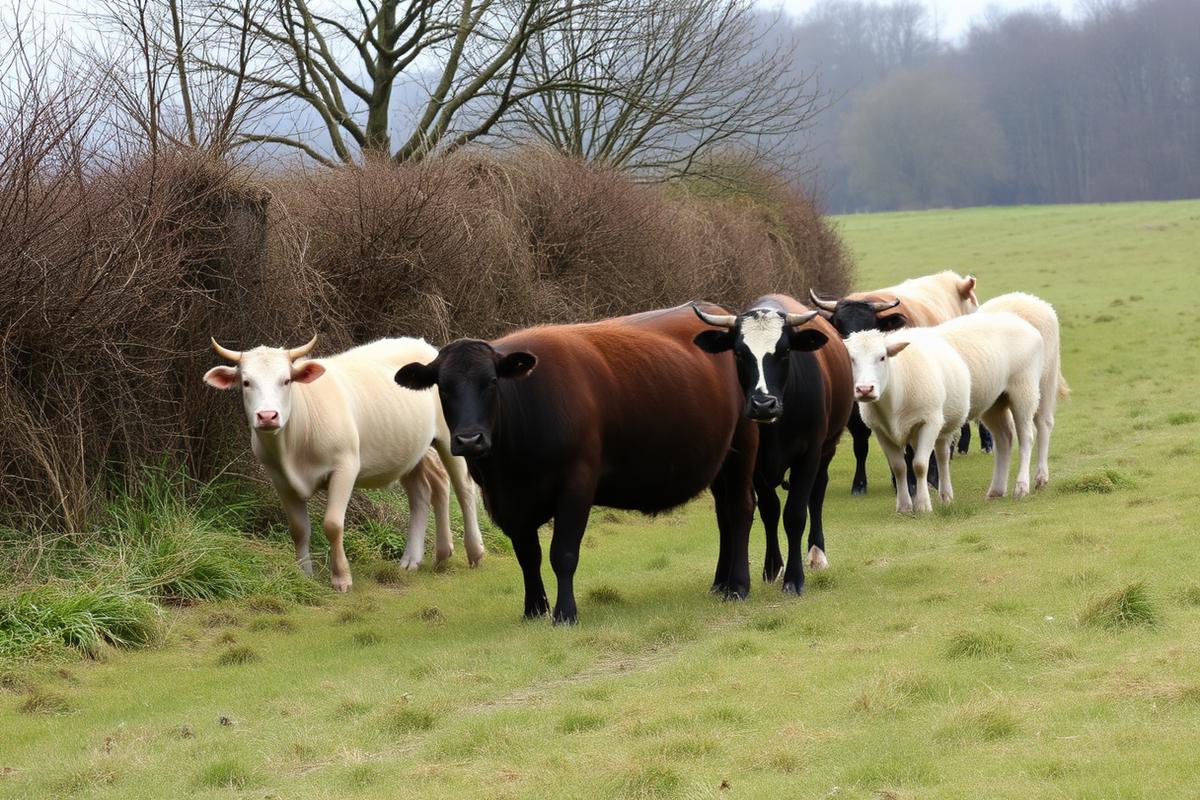
Farm livestock — cattle, sheep, horses
Confirmed fact- Legal protection
- Animal Welfare Act 2006; Food Standards Agency and APHA oversight of animal health and the food chain
- Why it is here
- Farms surround the woodland and the mine area. Livestock drink from field supplies and graze the same ground, which makes them continuous, long-exposure receptors — and unlike wildlife, they have veterinary records.
- Habitat used here
- Pasture, field water troughs, streams and hedge shelter.
- Known sensitivities
- Water supply quality, soil and forage. Unexplained losses, reproductive failure or condition loss in a herd are recordable, dateable evidence, which is why farm records matter to this investigation.
Plants & fungi
Woodland flora, deadwood and fungi
Confirmed fact- Legal protection
- Ancient woodland indicator species are a material planning consideration; some species individually protected
- Why it is here
- Bluebell, wood anemone and other indicators, together with the mycorrhizal fungi bound to the tree roots, are what make this woodland more than a group of trees.
- Habitat used here
- Undisturbed woodland soils, deadwood and mycorrhizal networks associated with mature trees.
- Known sensitivities
- Soil chemistry and hydrology. Mycorrhizal networks are the direct link between the water question and the tree-failure question: damage the root-soil relationship and the tree's anchorage and vigour follow.
Reported observations
What people in this area report seeing
Recorded as reported observations. None of these is a survey result, and none is evidence of a cause. They are logged because they identify where survey effort should go first.
Very low bird activity in the high-point oaks
Residents report that the mature oaks on the high ground above the test mine area are unusually quiet — few birds seen or heard where the habitat structure would normally support a rich canopy community. This has not been measured. A standard repeat point-count against a matched control wood, such as Pendarves, would settle whether the impression is real.
Stream life and invasive species
Leeches and American signal crayfish are reported in local watercourses. Both observations are useful: a leech-dominated, mayfly-poor community would point to water quality, while crayfish burrowing is an alternative explanation for bank instability that has to be ruled in or out rather than assumed.
Farm animal health and losses
Local farms report animal health concerns and losses. Livestock are continuous receptors with veterinary records, so these reports can be evidenced properly: dates, numbers, water source, field, and any veterinary or post-mortem findings.
Ecology imagery
Habitat and reserve context
Figures from the wildlife and ecology impact report and published reserve material, with field imagery of the affected woodland.
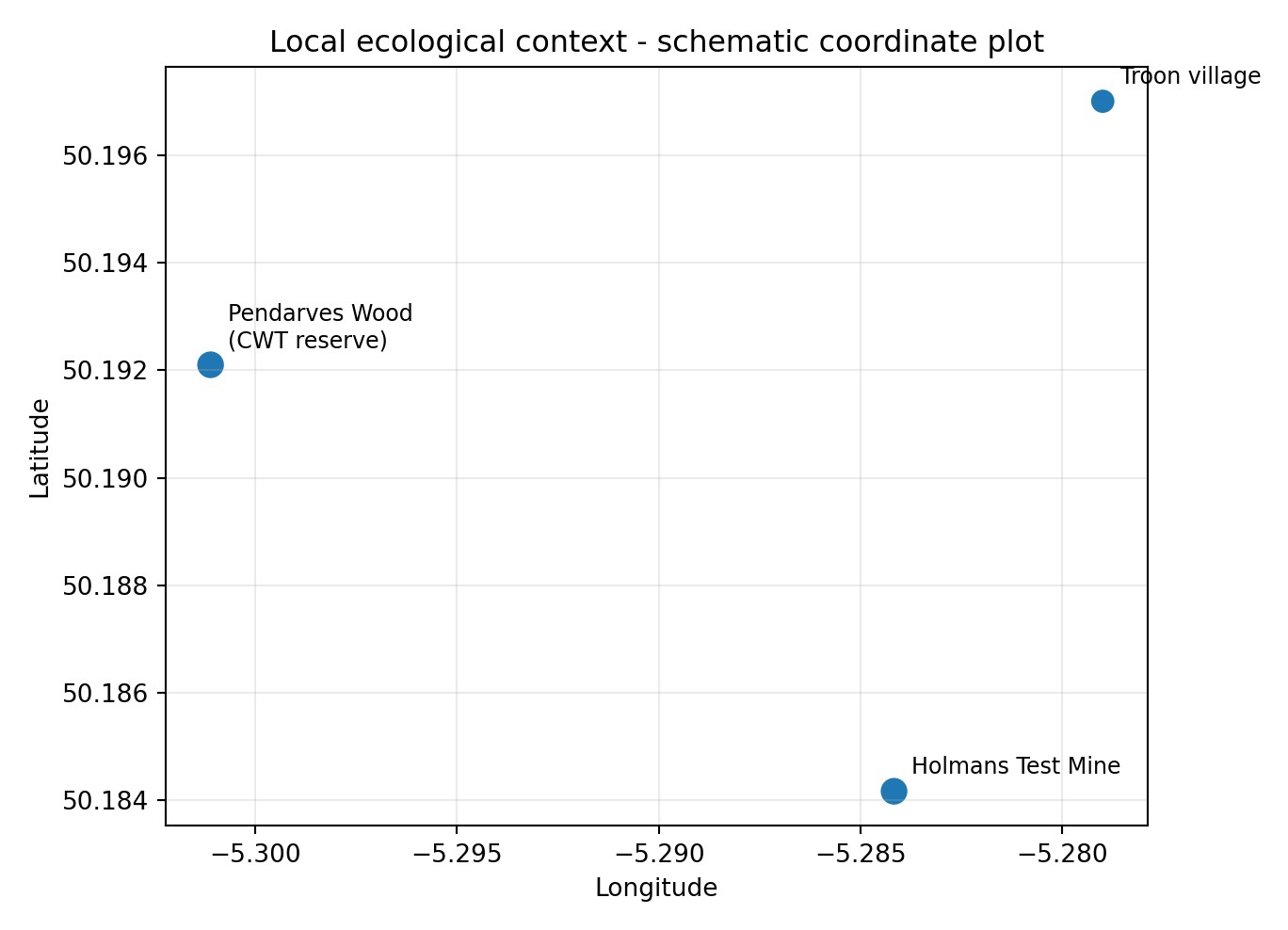
Local ecological context plot
Schematic coordinate plot showing the relative positions of Pendarves Wood (Cornwall Wildlife Trust reserve), Troon village and Holmans Test Mine.
Source: Wildlife & ecology impact report, figure
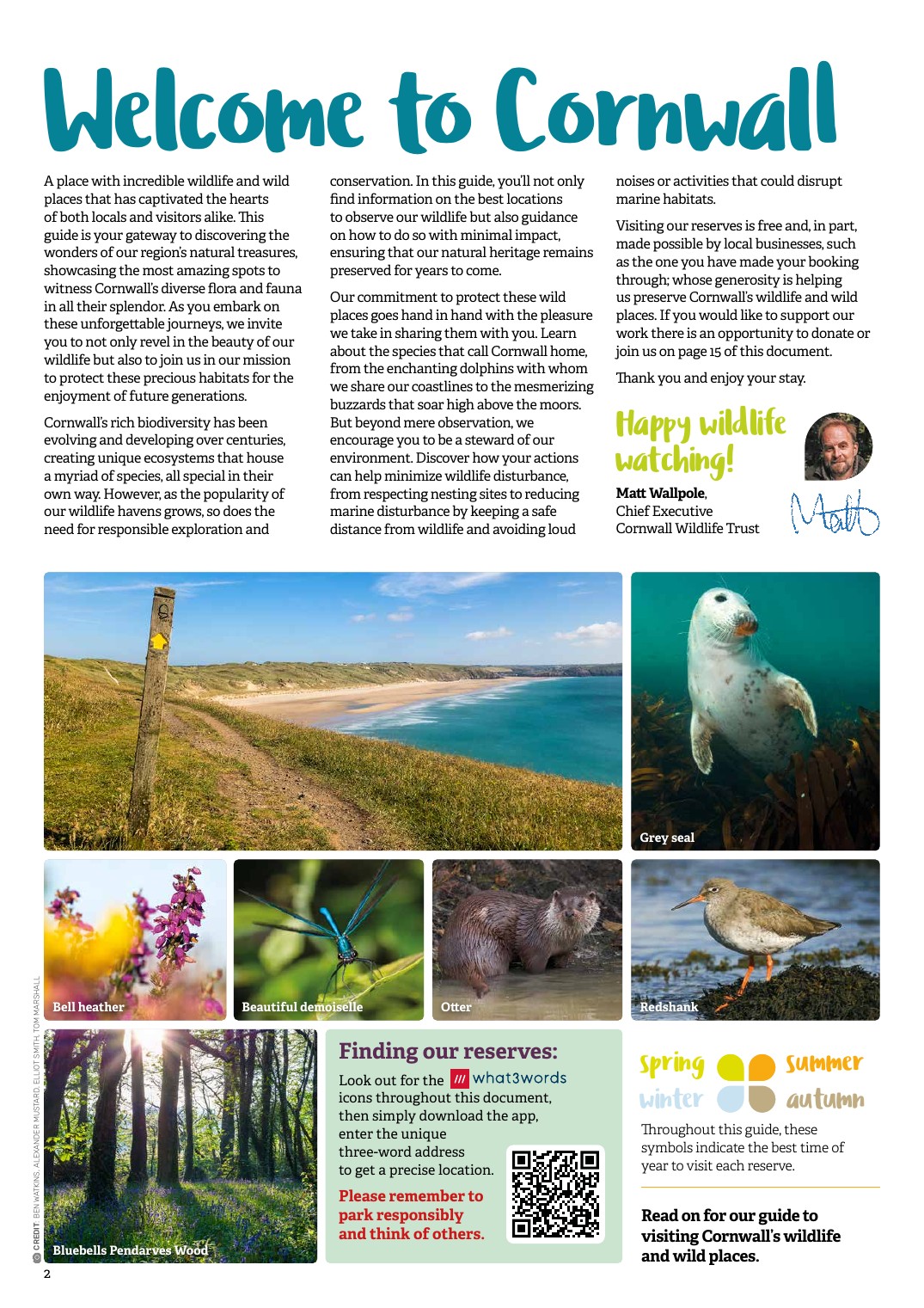
Cornwall Wildlife Trust reserve material
Published Cornwall Wildlife Trust reserve material used to establish the protected and managed nature-conservation context of the wider area.
Source: Cornwall Wildlife Trust published visitor material
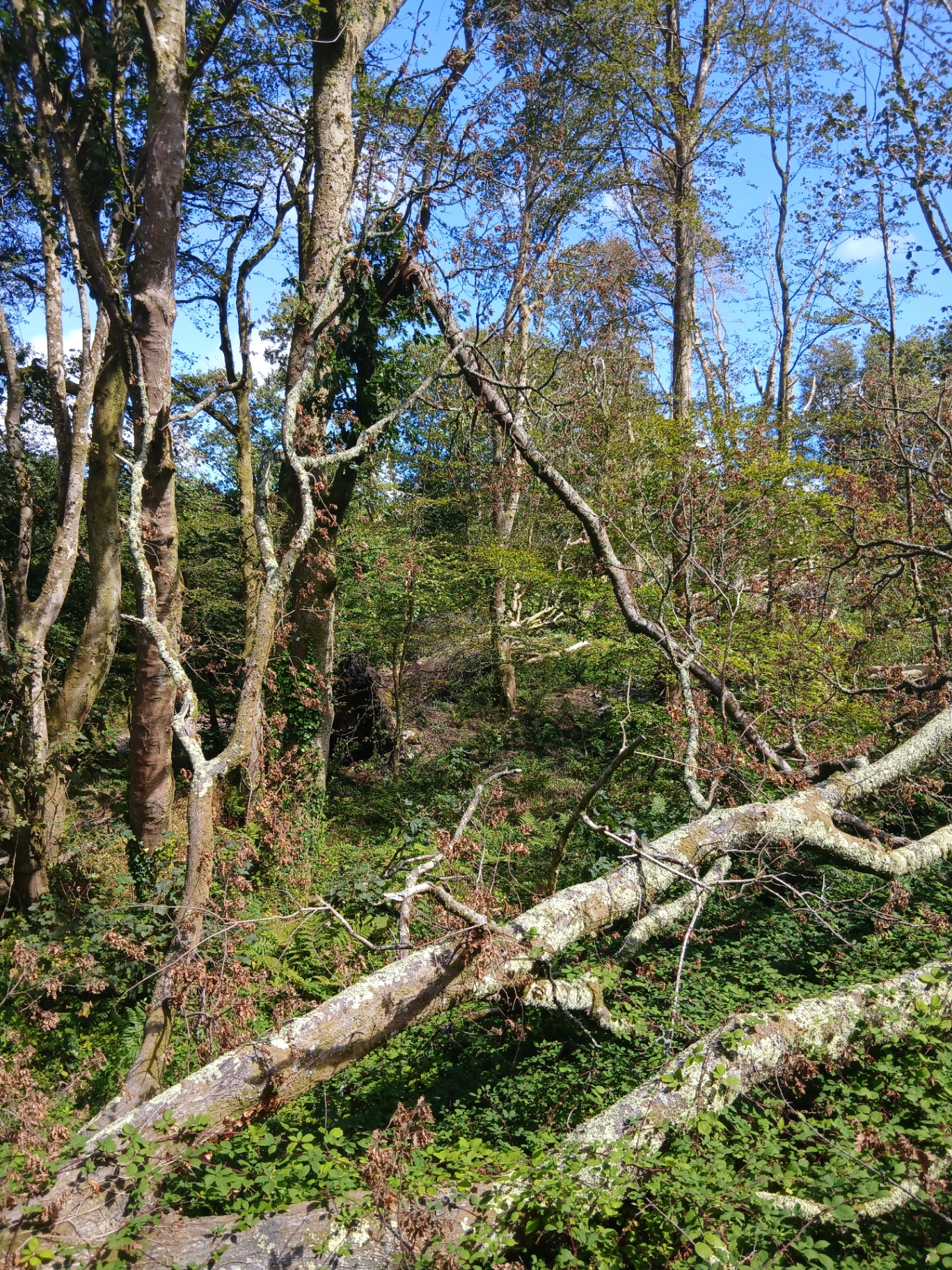
Field survey — canopy dieback with fallen stems (20 Aug 2026)
Fallen lichen-covered stems in the foreground with visible brown, thinning crowns in the standing trees above.
What this does and does not show: Crown dieback alongside physical failure is the pattern that a combined arboricultural and root-zone assessment is being asked to explain. Drought, disease, root damage and altered water table are all live candidate explanations.
Source: Community field photograph, X-area, 20 August 2026
Why mine workings matter to wildlife
Underground habitat is habitat
Disused mine workings in Cornwall are of national significance for bats. Stable temperature, high humidity and freedom from disturbance make adits and shafts excellent hibernation sites, and several sites in the county are designated for that reason.
This matters to the present investigation in two ways. First, any underground feature in this area may be occupied and legally protected, which constrains what may lawfully be done to it. Second, bats are sensitive to changes in the underground environment — airflow, humidity, water level and vibration — so the same subsurface questions that bear on water and ground stability also bear on ecology.
Survey work needed
What would turn observation into evidence
Species surveys
- Bat activity and roost survey, including underground inspection under licence
- Breeding bird point counts in the high-point oaks, with a control wood
- Dormouse nest tube survey across the hedge network
- Badger sett mapping and activity classification
- Otter and water vole sign survey along the watercourse
Freshwater and receptor testing
- Standard kick-sample invertebrate survey at fixed stream points, repeated seasonally
- Dragonfly and damselfly emergence counts
- Amphibian breeding survey and eDNA where ponds are present
- Crayfish presence check under licence
- Tissue and forage analysis where livestock losses are recorded
Evidence status
Ecology: where this stands
Legal protections apply
The statutory protections listed above are established law and apply to this landscape as to any other.
Local wildlife observations
Residents report sightings and, in places, perceived changes in the abundance of particular species. These are logged as observations and are not, on their own, evidence of population change.
Any ecological impact
No survey data held by this project establishes harm to any protected species, or any cause of such harm. Baseline and repeat surveys are needed.